1. Climate: This encompasses two major components:
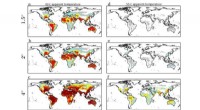
* Temperature: Different biomes have different temperature ranges they can tolerate. For example, tropical rainforests are hot and humid year-round, while tundra regions are cold and icy for most of the year.
* Precipitation: The amount of rainfall or snowfall a region receives directly impacts the type of vegetation that can grow and thrive there. Deserts have very low precipitation, while rainforests receive high amounts.
2. Latitude: Latitude plays a role in determining climate, and thus, biome type.
* Distance from the equator: Areas closer to the equator receive more direct sunlight and have warmer temperatures, leading to tropical and subtropical biomes. Areas further away from the equator receive less direct sunlight and have colder temperatures, leading to temperate and polar biomes.
While these two factors are primary, other abiotic factors like soil type, topography, and elevation also influence the specific characteristics and distribution of terrestrial biomes.