Physical factors:
* Sunlight: Provides energy for photosynthesis and influences temperature.
* Temperature: Affects metabolic rates, growth, and distribution of organisms.
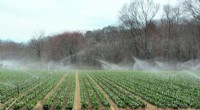
* Water: Essential for life, influencing plant growth, animal behavior, and overall ecosystem health.
* Air: Contains gases necessary for respiration and influences weather patterns.
* Soil: Provides structure, nutrients, and water for plants.
* Topography: The shape of the land, influencing microclimates, water flow, and soil composition.
* Wind: Can influence weather patterns, plant growth, and animal behavior.
Chemical factors:
* Salinity: The amount of dissolved salts in water, influencing aquatic life.
* pH: Acidity or alkalinity of water and soil, affecting plant and animal life.
* Oxygen: Essential for respiration in most organisms.
* Nutrients: Elements necessary for plant growth, such as nitrogen, phosphorus, and potassium.
* Pollution: Harmful substances introduced into the environment, affecting living organisms and ecosystem health.
These abiotic factors are interconnected and constantly interacting with each other. They create the conditions that shape the biodiversity and ecological processes within an ecosystem.