1. Biotic Factors:
* Predation: Predators control prey populations, influencing their distribution and abundance.
* Competition: Organisms compete for resources like food, water, space, and mates, impacting their survival and reproductive success.
* Parasitism: Parasites exploit their hosts, potentially weakening them or affecting their behavior.
* Disease: Pathogens can cause disease outbreaks, reducing population size and impacting ecosystem dynamics.
* Symbiosis: Mutualistic relationships benefit both species involved, while commensalism benefits one without harming the other.
* Population Density: The number of individuals per unit area influences interactions between organisms and their environment.
2. Abiotic Factors:
* Climate: Temperature, precipitation, sunlight, and wind patterns influence the distribution of organisms and their adaptations.
* Water: Availability and quality of water are essential for survival and reproduction.
* Nutrients: Availability of nutrients like nitrogen, phosphorus, and potassium impacts plant growth and productivity.
* Soil: Soil type, pH, and mineral composition influence plant growth and the organisms that depend on them.
* Sunlight: Amount and intensity of sunlight affect photosynthesis and the distribution of plants.
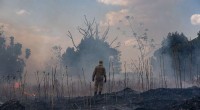
* Fire: Natural fire regimes play a vital role in shaping ecosystems by clearing vegetation and releasing nutrients.
* Topography: Landforms like mountains, valleys, and rivers create different habitats and influence microclimates.
3. Disturbances:
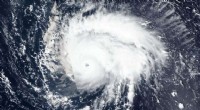
* Natural disturbances: Events like fires, floods, storms, and volcanic eruptions create opportunities for new species to colonize and reshape ecosystems.
* Human disturbances: Activities like deforestation, pollution, and climate change can have significant impacts on ecosystem stability and biodiversity.
4. Evolution:
* Natural Selection: Organisms with traits better suited to their environment are more likely to survive and reproduce, leading to evolutionary change over time.
* Genetic Drift: Random fluctuations in allele frequencies can affect the genetic makeup of populations, especially in smaller populations.
* Gene Flow: Movement of individuals or their genetic material between populations can introduce new alleles and affect genetic diversity.
5. Interactions between Factors:
These factors are interconnected and influence each other. For example, climate change can alter precipitation patterns, affecting water availability and influencing plant growth, which in turn affects herbivores and their predators.
Overall, a complex interplay of biotic, abiotic, and disturbance factors shapes the dynamics of undisturbed ecosystems and determines the survival, distribution, and abundance of organisms within them.