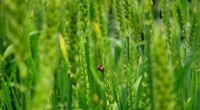
* Photosynthesis: The sun's energy is captured by plants and algae through a process called photosynthesis. This process converts light energy into chemical energy stored in the form of sugars (glucose). This stored energy is the basis for the food chain.
* Producers: Plants and algae, known as producers, are the first link in the food chain. They are able to use the sun's energy to create their own food, providing a source of energy for other organisms.
* Consumers: Animals that eat plants (herbivores) and animals that eat other animals (carnivores) obtain their energy indirectly from the sun. They get their energy by consuming organisms that have already harnessed the sun's energy.
* Decomposers: Decomposers, like fungi and bacteria, break down dead plants and animals, returning nutrients back to the ecosystem. This process also releases energy that can be used by other organisms.
Essentially, the sun provides the initial energy input that drives the entire ecosystem. Without the sun, there would be no plants, no animals, and ultimately, no life on Earth as we know it.