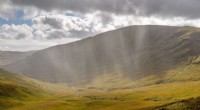
Temperate biomes are a fascinating middle ground in the Earth's biosphere. They lie between the extremes of the tropics and the poles, experiencing distinct seasons with varying temperatures and precipitation. This balance of weather patterns creates a rich tapestry of life, making temperate biomes some of the most diverse and familiar on Earth.
Here's a breakdown of key features:
Climate:
* Four distinct seasons: Spring, summer, autumn, and winter are all well-defined, each with unique weather patterns.
* Moderate temperatures: Neither too hot nor too cold, with summers ranging from mild to warm and winters from cool to cold.
* Variable precipitation: Rainfall can range from relatively even throughout the year to concentrated in specific seasons, leading to varying levels of humidity.
Flora:
* Deciduous forests: Dominated by trees that lose their leaves in the fall (e.g., oak, maple, beech). These forests offer a spectacular display of colorful foliage during autumn.
* Coniferous forests: Characterized by evergreen trees like pine, fir, and spruce, which can tolerate colder temperatures and snowy conditions.
* Grasslands: Vast expanses of grasses, often with scattered trees. Temperate grasslands experience both wet and dry seasons, leading to a unique vegetation pattern.
* Shrublands: Dense areas dominated by shrubs and small trees, often found in areas with dry summers and wet winters.
Fauna:
* Diverse animal life: Temperate biomes support a wide range of animals, including mammals (deer, wolves, bears), birds (songbirds, raptors), reptiles, amphibians, and insects.
* Adaptations to seasonal changes: Many animals have developed unique adaptations, such as hibernation, migration, and storing food for winter, to cope with the changing environment.
Examples of Temperate Biomes:
* Temperate deciduous forests: Eastern North America, Western Europe, Eastern Asia
* Temperate coniferous forests: North America, Europe, Asia
* Temperate grasslands: North America (prairies), South America (pampas), Eurasia (steppes)
* Temperate shrublands: Mediterranean region, California (chaparral), Chile (matorral)
Human Impact:
* Agriculture: Temperate biomes are highly suitable for agriculture due to fertile soil and moderate climates.
* Urbanization: Human populations have increasingly settled in temperate regions, leading to habitat loss and fragmentation.
* Climate change: Temperate biomes are facing threats from climate change, including altered precipitation patterns, more extreme weather events, and shifts in plant and animal communities.
Importance:
* Habitat for countless species: Temperate biomes support a high biodiversity, providing homes and resources for a vast array of plants and animals.
* Essential ecosystem services: They play vital roles in regulating climate, providing clean air and water, and supporting human livelihoods.
* Aesthetic and recreational value: Temperate biomes offer stunning natural beauty and opportunities for recreation, contributing to human well-being.
Understanding and protecting temperate biomes is crucial for maintaining the health of our planet and supporting life as we know it.