1. Sunlight: The amount of sunlight an ecosystem receives is crucial for photosynthesis, which forms the base of most food chains. Differences in sunlight exposure can lead to distinct plant communities and affect the distribution of animal life.
2. Temperature: Temperature affects the rates of biological processes like growth, reproduction, and decomposition. Different organisms are adapted to specific temperature ranges, making it a key factor in species distribution and ecosystem function.
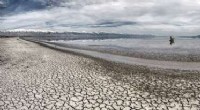
3. Water: Water is essential for all life. Its availability, quality, and distribution directly influence the types of plants and animals that can thrive in an ecosystem.
4. Soil: The composition, pH, and nutrient content of soil are crucial for plant growth. Different soil types support different plant communities, which in turn affect the entire food web.
5. Wind: Wind can influence temperature, precipitation, and the distribution of organisms. It can also create unique microclimates and contribute to erosion and seed dispersal.
These are just a few of the many abiotic factors that influence ecosystems. Interactions between these factors create the unique conditions that support the diverse life on Earth.