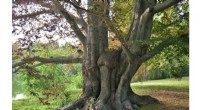
* Function: The woody area, or xylem, is the main support structure of the tree and also transports water and nutrients from the roots to the leaves. The bark's primary function is to protect the tree from external threats like insects, disease, and weather.
* Growth: Trees grow in diameter by adding new layers of xylem cells (wood) each year. This is why you see rings in a tree trunk. Bark, on the other hand, is mostly made up of dead cells. It doesn't continuously grow in layers like the xylem, but rather expands as the tree grows in girth.
* Structure: The xylem is a dense, strong tissue made up of lignin and cellulose, giving it the strength to support the tree's weight and branches. Bark is generally much thinner and less dense, as it's designed for protection rather than structural support.
Exceptions:
While the xylem is generally thicker, there are some exceptions:
* Young trees: In young trees, the bark may be relatively thick compared to the xylem, as the tree is still developing its strong support structure.
* Specific species: Some species, like birch trees, have very thin bark, while others, like oak trees, have thick, protective bark.
Overall, the thicker xylem is a testament to its crucial role in the tree's survival and growth, while the bark provides essential protection and safeguards the tree from external threats.