* Caves: Caves are completely devoid of sunlight, which is the essential energy source for photosynthesis. Chlorophyll, the pigment that gives plants their green color, is vital for capturing sunlight and converting it into energy. Without sunlight, chlorophyll-containing plants cannot survive.
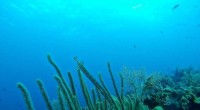
* Below 200 meters of water: While sunlight can penetrate water to a certain depth, it significantly diminishes as you go deeper. At depths below 200 meters, there is insufficient light for photosynthesis. This is why the vast majority of marine life lives in shallower waters where sunlight is available.
What you might find in these environments:
* Caves: You might find fungi, bacteria, and other organisms that can survive without sunlight, relying on alternative energy sources like chemosynthesis.
* Deep sea: Instead of chlorophyll-containing plants, you'll find a diverse array of organisms adapted to living in the darkness. These include:
* Chemosynthetic bacteria: These organisms obtain energy from chemicals like methane or sulfur.
* Animals adapted to low light: Some fish have bioluminescent organs to attract prey, while others have sensitive eyes adapted to see in dim conditions.
In summary: The lack of sunlight makes it impossible for chlorophyll-containing plants to thrive in caves or deep ocean environments. However, other life forms have evolved to survive and thrive in these challenging conditions.