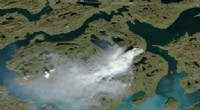
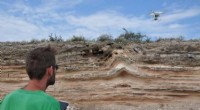
1. Biodiversity: Both ecosystems boast a rich diversity of life, albeit adapted to very different conditions. Forests are known for their diverse plant and animal life, while deserts support a surprising array of specialized organisms that have adapted to extreme aridity.
2. Importance to the Ecosystem: Both play critical roles within the larger ecosystem. Forests act as carbon sinks, regulate water cycles, and provide habitats for countless species. Deserts are crucial for maintaining the balance of water and wind patterns, offering unique habitats and contributing to global climate regulation.
3. Nutrient Cycling: Despite their differences, both forests and deserts have intricate nutrient cycles. Forests rely on decomposing organic matter, while deserts utilize slow decomposition and rely on wind-blown dust for nutrients.
4. Influence on Climate: Both ecosystems influence local and global climate patterns. Forests contribute to rainfall and moderate temperatures, while deserts impact wind patterns and create distinct microclimates.
5. Vulnerability to Change: Both forests and deserts are vulnerable to human activities and climate change. Deforestation and desertification are major threats that can have devastating consequences.
6. Importance for Human Survival: Both forests and deserts provide resources and services vital for human survival. Forests offer timber, food, and medicinal plants, while deserts provide minerals, energy resources, and unique cultural landscapes.
It's important to note that these similarities are often more nuanced than apparent. While both ecosystems are diverse and essential, their adaptations, challenges, and contributions to the world differ significantly.