Conifers:
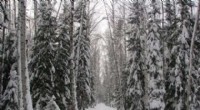
* Pines: Many pine species thrive in mountainous areas, including Ponderosa pine, White pine, Lodgepole pine, and Scots pine.
* Spruces: Spruce trees like Engelmann spruce, Sitka spruce, and Norway spruce are common in mountain forests.
* Firs: Mountain forests often feature Douglas fir, Balsam fir, and Fraser fir.
* Cedars: Western Red Cedar, Eastern Red Cedar, and other cedar species can grow in mountainous regions.
Deciduous Trees:
* Oaks: Several oak species are found in mountainous areas, such as White oak, Red oak, and Black oak.
* Maples: Sugar maple, Red maple, and Amur maple can be found in mountains.
* Birches: Birch species like Paper birch, Yellow birch, and River birch are common in mountainous regions.
* Beech: American Beech, European Beech, and other beech species can be found in mountains.
* Aspen: Quaking aspen and European aspen are known for their ability to colonize high-elevation areas.
Other Mountain Trees:
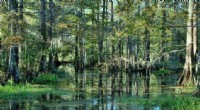
* Willow: Many willow species can grow in mountainous regions, often along streams and rivers.
* Alder: Alder trees are often found near streams and moist areas in mountain forests.
* Rowan: Rowan trees, also known as mountain ash, are commonly seen in mountainous areas.
* Poplar: Some poplar species, like Balsam poplar, can thrive in mountain environments.
Factors Influencing Mountain Tree Growth:
* Altitude: As altitude increases, the temperature drops, and the growing season shortens. This affects the types of trees that can survive.
* Sunlight: Sunlight exposure varies depending on the slope and aspect of the mountain.
* Precipitation: The amount and type of precipitation (rain, snow) influence tree growth.
* Soil: Soil quality, nutrients, and drainage play a role in tree growth.
* Climate: The overall climate of the mountain region, including temperature, humidity, and wind, influences tree species.
To be more specific about the trees found on a particular mountain, you would need to know its location and the specific environmental conditions.