Ecosystems are complex and dynamic systems influenced by a myriad of factors, both biotic (living) and abiotic (non-living). Here's a breakdown:
Abiotic Factors:
* Climate: Temperature, precipitation, humidity, wind, and sunlight all shape the types of plants and animals that can thrive in an ecosystem.
* Sunlight: The amount and intensity of sunlight influence photosynthesis, which forms the base of food chains.
* Water: The availability and quality of water determine the distribution of life and the functioning of ecosystems.
* Soil: Soil composition, fertility, and structure affect plant growth and the availability of nutrients.
* Altitude/Elevation: As altitude increases, temperature and oxygen levels decrease, impacting plant and animal life.
* Latitude: Different latitudes receive varying amounts of sunlight, impacting temperature and overall climate, ultimately influencing ecosystems.
* Topography: Landforms like mountains, valleys, and hills influence microclimates, water flow, and soil distribution.
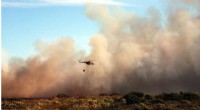
* Natural Disasters: Fires, floods, volcanic eruptions, and earthquakes can dramatically alter ecosystems and create opportunities for new species.
Biotic Factors:
* Producers: Plants and algae, through photosynthesis, form the base of food chains and provide energy to all other organisms.
* Consumers: Herbivores, carnivores, and omnivores consume other organisms, influencing population dynamics and food web stability.
* Decomposers: Bacteria and fungi break down dead organisms, releasing nutrients back into the ecosystem.
* Competition: Competition for resources, such as food, water, and space, affects species distribution and abundance.
* Predation: Predator-prey interactions influence population sizes and can impact species diversity.
* Parasitism: Parasites can impact host health and survival, influencing host populations and overall ecosystem stability.
* Mutualism: Beneficial relationships between species, like pollination and seed dispersal, can enhance ecosystem productivity and resilience.
Human Impacts:
* Habitat Loss and Fragmentation: Deforestation, urbanization, and agriculture lead to habitat loss and fragmentation, negatively impacting biodiversity.
* Pollution: Air, water, and soil pollution can disrupt ecosystem processes and harm organisms.
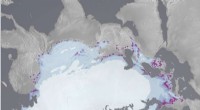
* Climate Change: Rising temperatures, altered precipitation patterns, and increased extreme weather events threaten ecosystem stability and resilience.
* Invasive Species: The introduction of non-native species can disrupt food webs, outcompete native species, and cause ecological imbalances.
* Overexploitation: Overharvesting of resources, like fish or timber, can deplete populations and lead to ecosystem collapse.
It's important to understand these complex interactions to effectively manage and conserve ecosystems. By appreciating the interconnectedness of these factors, we can work towards protecting and restoring the natural world for future generations.