1. Habitat Destruction and Fragmentation:
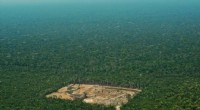
* Deforestation: Clearing forests for agriculture, logging, urbanization, and mining destroys essential habitat for countless species.
* Urbanization and Development: Building cities and infrastructure displaces wildlife and destroys natural habitats, often leading to fragmentation.
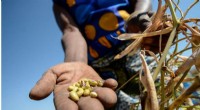
* Agriculture: Intensive farming practices convert natural ecosystems into monocultures, reducing biodiversity and altering food chains.
* Mining: Surface and subsurface mining operations scar landscapes, pollute water sources, and disrupt ecosystems.
2. Pollution:
* Air Pollution: Industrial emissions, vehicle exhaust, and other sources of air pollution can contaminate water sources, damage vegetation, and affect respiratory health in wildlife.
* Water Pollution: Industrial waste, agricultural runoff, sewage, and plastic pollution contaminate rivers, lakes, and oceans, harming aquatic life.
* Soil Pollution: Chemical fertilizers, pesticides, and industrial waste can contaminate soil, reducing its fertility and harming organisms that live in it.
* Noise Pollution: Constant noise from traffic, machinery, and other human activities can disrupt animal communication, stress wildlife, and lead to habitat abandonment.
3. Overexploitation:
* Overfishing: Excessive fishing pressure can deplete fish stocks, disrupt food webs, and lead to the collapse of entire ecosystems.
* Hunting and Poaching: Illegal and unsustainable hunting and poaching can decimate populations of endangered species and disrupt ecological balance.
* Harvesting of Natural Resources: Overharvesting of timber, minerals, and other resources can strip ecosystems of essential resources and destabilize them.
4. Climate Change:
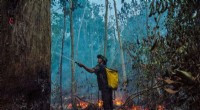
* Rising Temperatures: Increased global temperatures can lead to changes in precipitation patterns, more frequent and intense wildfires, and shifts in the distribution of species.
* Sea Level Rise: Rising sea levels inundate coastal habitats, forcing displacement of species and loss of biodiversity.
* Ocean Acidification: Increased carbon dioxide absorption by oceans leads to acidification, which harms marine organisms and disrupts coral reefs.
5. Invasive Species:
* Introduction of Non-native Species: Humans intentionally or unintentionally introduce invasive species, which can outcompete native species, alter food webs, and disrupt ecosystems.
* Spread of Diseases: Invasive species can carry and spread diseases that harm native populations and disrupt ecological balance.
6. Other Impacts:
* Light Pollution: Artificial light at night can disrupt animal migration, foraging, and breeding patterns.
* Chemical Pollution: Runoff from agriculture, industry, and other sources can contaminate water and soil with toxic chemicals that harm wildlife.
* Exotic Pets: The release of exotic pets into the wild can lead to the introduction of invasive species and disruption of native ecosystems.
These human activities have widespread and often irreversible consequences for habitats and the biodiversity they support. Understanding these impacts and taking steps to mitigate them is crucial for protecting ecosystems and ensuring the long-term health of the planet.