1. Species: Just like humans, different species of trees have unique genetic makeup that determines their basic form, leaf shape, bark texture, and other characteristics. For example, an oak tree will always have acorns, while a maple tree will have helicopter seeds.
2. Environment: The environment where a tree grows plays a huge role in its appearance. Factors like:
* Sunlight: Trees in full sun will typically have a wider, bushier canopy than those in shade.
* Water availability: Trees in drier climates may have smaller leaves and deeper roots to conserve water.
* Soil type: Nutrient availability and soil composition influence the growth rate and overall health of a tree.
* Temperature: Trees in colder climates may have a more compact shape to withstand strong winds.
3. Age: Like humans, trees change over time. A young sapling will have a different shape than a mature tree. As they age, trees may develop unique growth patterns, branching structures, and bark textures.
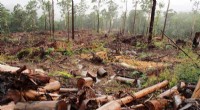
4. Stress and Damage: Trees can be affected by disease, pests, fire, or even human activity. This can lead to unusual growth patterns, scars, or even deformities.
5. Genetics: Within a species, individual trees can have slightly different genetic variations. This leads to some trees being slightly taller, having slightly different leaf shapes, or even producing slightly different coloured foliage.
6. Selective Breeding: Humans have selectively bred trees for specific traits, like disease resistance, faster growth, or unique colours. This can also contribute to differences in appearance.
In summary: The combination of species, environment, age, stress, genetics, and human intervention creates the incredible diversity of tree appearances we see in nature. Each tree is a unique individual with a story to tell!