1. Organism: A single individual living thing (e.g., a deer, a tree, a bacterium).
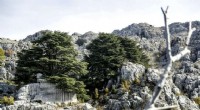
2. Population: A group of individuals of the same species living in the same area (e.g., a herd of deer, a stand of trees, a colony of bacteria).
3. Community: All the different populations of organisms living and interacting in a particular area (e.g., all the plants, animals, and fungi in a forest).
4. Ecosystem: A community of organisms and their physical environment (e.g., a forest ecosystem, a coral reef ecosystem).
5. Biome: A large-scale ecosystem characterized by similar climate, vegetation, and animal life (e.g., a desert biome, a rainforest biome).
6. Biosphere: The sum of all living organisms and their environments on Earth.
Let me know if you would like more detail on any of these levels!