Common Habitats:
* Water: Unicellular organisms are abundant in both freshwater and saltwater environments, from lakes and rivers to oceans and even puddles.
* Soil: Soil is teeming with bacteria, fungi, and other microscopic life.
* Air: While not technically living *in* the air, many unicellular organisms like bacteria and fungi can be found suspended in the air.
* Human Body: Our bodies are home to a vast microbiome of bacteria, fungi, and viruses. Most are harmless and some are even beneficial!
* Extreme Environments: Some unicellular organisms are extremophiles, meaning they can survive in harsh conditions like hot springs, volcanic vents, and even inside radioactive waste.
Examples of Unicellular Organisms:
* Bacteria: These single-celled prokaryotes are incredibly diverse and play vital roles in ecosystems, from decomposition to nitrogen fixation.
* Archaea: Another type of prokaryote, often found in extreme environments.
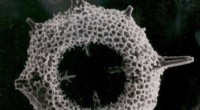
* Protists: A diverse group of eukaryotic organisms, including algae, amoebas, and slime molds.
* Yeast: A type of fungus that is single-celled and plays a crucial role in fermentation.
The Importance of Unicellular Organisms:
* Ecosystem Balance: They are essential for nutrient cycling, decomposition, and food webs.
* Human Health: Some are pathogens, but many are crucial for digestion, immune system function, and even the production of food and medicine.
* Biotechnology: Unicellular organisms are used in a wide range of biotechnological applications, including the production of biofuels, antibiotics, and enzymes.
It's truly amazing how these tiny life forms are present nearly everywhere on Earth and play such significant roles in our planet's processes!