Sunlight Competition:
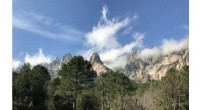
* Forest Edge: Trees at the edge of a forest receive much more sunlight from all directions. This allows them to grow tall and straight, focusing their energy on reaching for sunlight, resulting in fewer branches in the lower part of the trunk.
* Deep Woodlands: Trees deep inside forests compete fiercely for limited sunlight that filters through the canopy. They often develop branches lower down to maximize their access to sunlight.
Wind Exposure:
* Forest Edge: Trees at the edge are exposed to more wind. To withstand this, they often grow a single strong trunk with fewer branches to reduce wind resistance.
* Deep Woodlands: Trees inside the forest are sheltered from strong winds, allowing them to develop more branches without as much risk of damage.
Other Factors:
* Species: Certain tree species naturally have a more columnar shape, regardless of their location.
* Human Management: Forest management practices, such as thinning or selective logging, can influence the shape of trees by promoting growth of specific individuals.
In summary: The combination of sunlight competition, wind exposure, and other factors contribute to the difference in branching patterns between trees at the forest edge and those in the interior.