Tundras and grasslands look superficially similar—they are vast expanses without much in the way of trees. But the ecology of these biomes are distinct, mostly because of differing geographies.
Tundras occur beyond the tree-line in both the Arctic and Antarctic, as well as high mountain environments. Grasslands are far more widely distributed, found in tropical, sub-tropical and mid-latitude regions on all continents except Antarctica.
As the name suggests, grasslands are dominated by grasses, although forbs, shrubs and trees may be in association. Some grasses grow on the tundra, as well, but the groundcover is equally built by lichen, moss, herbs and matted shrubs.
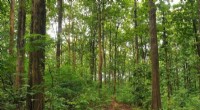
The word “tundra” stems from a Finnish term for “treeless plain." If trees exist at all on a tundra, they’re highly scattered and stunted—mostly on account of the short growing season and cold temperatures.
Trees are restricted on grasslands, too—by low precipitation and fires, mainly—but they may be significant components of the landscape. Widely spaced trees notably punctuate grass-dominated savannas, for example. Galley forests of cottonwoods often line floodplains in North America’s shortgrass plains.
In historical times, the fertility of many grasslands—especially the savannas of Africa and the prairies and steppe of North America—supported amazing concentrations of large grazing animals. The greatest densities of wildlife on the Arctic tundra are those of breeding birds and insects.