Natural Processes:
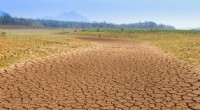
* Climate Change: Shifts in temperature, precipitation, and weather patterns can dramatically alter ecosystems. For example, rising temperatures may favor certain species over others, leading to shifts in the dominant plant and animal life.
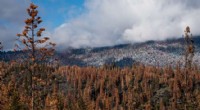
* Natural Disasters: Events like wildfires, floods, volcanic eruptions, and earthquakes can cause widespread destruction, wiping out existing ecosystems and allowing new ones to develop.
* Evolution and Speciation: Over long periods, species evolve and adapt to their environment. This can lead to the development of new species and new ecosystems.
* Succession: The gradual process of change in an ecosystem over time, often following a disturbance. This can be primary succession (starting from bare rock) or secondary succession (after a disturbance like fire).
* Migration and Dispersal: The movement of species into new areas can introduce new organisms and alter existing ecosystems.
Human Activities:
* Habitat Loss and Fragmentation: Deforestation, urbanization, and agriculture can destroy or isolate habitats, leading to a loss of biodiversity and ecosystem function.
* Pollution: Air, water, and soil pollution can harm organisms and disrupt ecological processes.
* Invasive Species: The introduction of non-native species can outcompete native species, alter food webs, and disrupt ecosystem balance.
* Climate Change (Anthropogenic): Human activities like burning fossil fuels are contributing to climate change, which in turn is altering ecosystems on a global scale.
* Resource Extraction: Mining, logging, and oil drilling can have significant impacts on ecosystems, often leading to habitat loss and pollution.
Other Factors:
* Geographic Isolation: The separation of populations by physical barriers can lead to genetic divergence and the formation of new species and ecosystems.
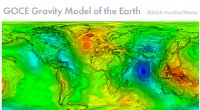
* Plate Tectonics: The movement of Earth's tectonic plates can alter landscapes, create mountains and valleys, and influence the distribution of species and ecosystems.
It's important to note that these factors are interconnected and often work together to shape ecosystems. The changes caused by these factors can be gradual or abrupt, and they can result in either the degradation or the creation of new and diverse ecosystems.
Ultimately, understanding the forces that drive ecosystem change is crucial for conserving biodiversity and managing our planet's natural resources sustainably.