Here's a breakdown:
* Biotic factors: These are all the living organisms within the ecosystem, including:
* Producers: Plants and algae that make their own food through photosynthesis.
* Consumers: Animals that eat plants (herbivores), other animals (carnivores), or both (omnivores).
* Decomposers: Fungi and bacteria that break down dead organisms and waste, returning nutrients to the ecosystem.
* Abiotic factors: These are the non-living components of the ecosystem, such as:
* Sunlight: Provides energy for producers.
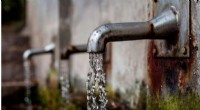
* Water: Essential for life processes.
* Temperature: Affects the types of organisms that can survive in an area.
* Soil: Provides nutrients and support for plants.
* Air: Provides oxygen for respiration and carbon dioxide for photosynthesis.
These biotic and abiotic elements interact with each other in complex ways, creating a self-sustaining system. For example, plants use sunlight, water, and soil to grow, providing food for herbivores. Herbivores are then eaten by carnivores, and when organisms die, decomposers break them down, releasing nutrients back into the soil for plants to use.