Here's why:
* Limited Species: Artificial ecosystems are designed for a specific purpose, often focusing on a few select species. They rarely support the wide range of plants, animals, fungi, and microorganisms found in natural ecosystems.
* Controlled Environment: Artificial ecosystems are often highly controlled, with human interventions like watering, fertilization, and pest management. These interventions limit the natural processes that foster biodiversity.
* Simplified Structure: Artificial ecosystems tend to have simplified structures compared to the complex interconnectedness of natural ecosystems. They lack the intricate relationships between species that drive biodiversity in natural settings.
Examples:
* Aquarium: Contains a limited number of fish species, often from a single geographical region.
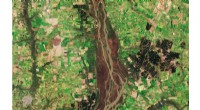
* Farmland: Focuses on a single crop, with a limited number of beneficial insects and soil organisms.
* Urban Park: Can support a variety of species, but their numbers and diversity are often lower than in natural forests or meadows.
However, artificial ecosystems can still contribute to biodiversity in certain ways:
* Habitat Creation: Some artificial ecosystems, like urban gardens and green roofs, can create habitats for local species.
* Conservation Efforts: Artificial ecosystems can be used to reintroduce endangered species or provide refuge for wildlife.
Ultimately, artificial ecosystems are useful for specific purposes, but they are not a replacement for the complex and diverse natural ecosystems that are essential for a healthy planet.