* Natural Selection: As organisms evolve to best suit their environments, they develop unique traits and adaptations. This leads to a diverse range of species, each specialized for a particular niche.
* Ecological Specialization: Different environments have distinct resources and challenges. Organisms adapt to exploit these unique conditions, leading to diverse communities of species. For example, the rainforest has a vastly different array of life compared to a desert.
* Gene Pool Variation: Adaptation occurs through genetic changes. As populations evolve, their gene pools become more diverse, contributing to the overall genetic diversity of life.
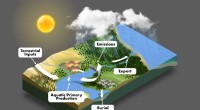
* Ecosystem Services: This diversity of life is essential for maintaining healthy ecosystems. Different organisms contribute to processes like pollination, decomposition, and nutrient cycling, providing vital services that support life.
In summary:
The process of adaptation to different environments leads to a rich tapestry of life on Earth, resulting in:
* Species Diversity: A wide range of species, each with unique adaptations.
* Genetic Diversity: Variation in genes within and between populations.
* Ecosystem Diversity: A variety of ecosystems, ranging from forests to oceans to deserts.
* Ecological Processes: The intricate interactions between organisms and their environment.
Biological diversity is crucial for the stability and resilience of ecosystems, as well as for human well-being.