1. Providing Basic Needs:
* Food: Ecosystems provide food sources for organisms through producers (plants, algae) who convert sunlight into energy, and consumers (animals) who eat other organisms. This food chain ensures a flow of energy through the ecosystem.
* Water: Water is essential for life, and ecosystems provide access to water through rivers, lakes, rainfall, and groundwater.
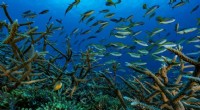
* Shelter: Ecosystems offer shelter from predators, weather, and other environmental factors. This could include trees, caves, burrows, or even the complex structure of coral reefs.
* Sunlight: Plants use sunlight for photosynthesis, which is the foundation of the food web. Ecosystems provide varying amounts of sunlight depending on their location and vegetation.
2. Maintaining Balance:
* Predator-Prey Relationships: Predators help regulate prey populations, preventing overgrazing and ensuring the health of the ecosystem.
* Decomposers: Organisms like bacteria and fungi break down dead organisms and waste, returning vital nutrients to the soil and air.
* Nutrient Cycling: Ecosystems cycle essential nutrients like nitrogen, phosphorus, and carbon through various processes, making them available for plants and animals.
3. Adaptation and Evolution:
* Environmental Pressures: Ecosystems are constantly changing due to factors like climate, natural disasters, and human activities. This leads to evolutionary pressures that can drive adaptation and diversification within species.
* Competition: Competition for resources like food, water, and space drives natural selection, favoring organisms best suited to the environment.
4. Interdependence:
* Symbiosis: Organisms within ecosystems often have symbiotic relationships where they benefit each other. For example, bees pollinate flowers, and the flowers provide nectar for the bees.
* Food Webs: Complex food webs connect organisms in various ways, ensuring the stability and resilience of the ecosystem.
In summary, an ecosystem functions as a dynamic and interconnected system that provides organisms with the resources they need to survive, reproduce, and evolve. The balance and interactions within an ecosystem are crucial for its health and the well-being of all its inhabitants.