Climate:
* Temperature: Plants have specific temperature ranges they can tolerate. Tropical regions with consistent warmth support lush rainforests, while cold arctic regions have sparse tundra vegetation.
* Precipitation: Water availability is crucial. Regions with abundant rainfall support dense forests, while arid areas have sparse deserts.
* Sunlight: The amount of sunlight influences the types of plants that can thrive. Sun-loving plants dominate open fields, while shade-tolerant plants grow in forests.
Topography:
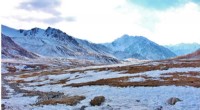
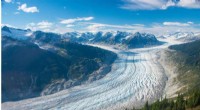
* Elevation: Higher elevations typically have cooler temperatures and different precipitation patterns, leading to varied vegetation. For example, mountain slopes can exhibit different plant communities depending on altitude.
* Slope Aspect: The direction a slope faces influences its exposure to sunlight and wind, impacting plant life. South-facing slopes are often warmer and drier, supporting different vegetation than north-facing slopes.
* Soil Type: The composition and structure of soil play a critical role. Sandy soils allow for good drainage, favoring plants adapted to arid conditions, while clay soils retain water and support different types of vegetation.
Biotic Factors:
* Animal Interactions: Animals can influence vegetation through grazing, seed dispersal, and pollination. For example, herbivores can shape grassland ecosystems, while pollinators are vital for the reproduction of many plants.
* Competition: Plants compete for resources like sunlight, water, and nutrients. Stronger competitors can dominate an area, shaping the overall plant community.
* Disease and Pests: Infections and infestations can impact plant survival and distribution. For example, certain diseases might favor particular species or limit the spread of others.
Human Influence:
* Land Use: Agriculture, urbanization, and deforestation significantly alter vegetation patterns.
* Pollution: Air and water pollution can negatively impact plant growth and distribution.
* Climate Change: Changing temperature and rainfall patterns can shift plant communities, leading to the expansion of some species and the decline of others.
These are just some of the key factors. The specific vegetation in a region is a complex and interconnected result of these various influences, creating a unique and diverse mosaic of plant life across the globe.