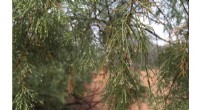
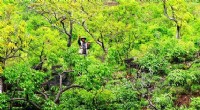
* Succession: In ecological terms, different plant communities appear in a predictable order over time, called ecological succession. Shrubs are often pioneers in early successional stages, colonizing disturbed or bare areas. This is because they are better at surviving harsh conditions like low soil nutrients or strong sunlight. Trees follow later, when the soil is richer and conditions are more stable.
* Seed dispersal: Shrubs may simply have seeds that spread more easily than tree seeds. This can allow them to establish themselves in open areas faster, leading to an initial dominance.
* Environmental factors: Climate, soil type, and competition can influence which plants thrive in a given area. In some cases, trees might dominate a particular habitat even from the start.
* Human intervention: Land management practices can also determine which plants flourish. For example, clearing land for agriculture can create conditions favorable for shrub growth.
In summary:
* Shrubs can be the first to colonize disturbed areas in the early stages of ecological succession.
* They can have more easily dispersed seeds, allowing them to spread faster.
* Environmental factors and human intervention can influence the initial dominance of either shrubs or trees.
It's important to understand that both shrubs and trees play crucial roles in an ecosystem, and their relative abundance can vary significantly based on the specific circumstances.