Habitat:
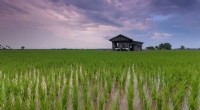
* Definition: The physical environment where an organism lives, including the biotic and abiotic factors it interacts with. Think of it as the organism's "address."
* Focus: The physical surroundings, including things like:
* Climate: Temperature, rainfall, humidity
* Terrain: Mountains, forests, deserts
* Resources: Water, food, shelter
* Other species: Predators, prey, competitors
* Example: A forest is a habitat for a squirrel.
Niche:
* Definition: The role an organism plays within its ecosystem, including its interactions with other species and how it utilizes resources. Think of it as the organism's "occupation" or "lifestyle."
* Focus: The organism's relationship with its environment, including:
* Food sources: What it eats, how it obtains food
* Reproduction: Breeding season, mating behavior, offspring care
* Competition: How it interacts with other species for resources
* Predator-prey relationships: How it avoids being eaten or hunts prey
* Example: A squirrel's niche is to gather and store nuts, which it uses as food. It also competes with other squirrels for resources and avoids predators like hawks.
In essence:
* Habitat is where an organism lives.
* Niche is what an organism does in that habitat.
Here's an analogy:
Imagine a city. The city itself is the habitat for its inhabitants. Each person has a niche within the city, like a doctor, teacher, or chef. These niches define their roles and interactions within the city's ecosystem.
Important Note:
Two different species can share the same habitat, but they will have distinct niches to avoid direct competition. For example, different bird species might live in the same forest but feed on different insects or occupy different levels of the canopy.