1. Genetic Variation:
* Mutations: Changes in DNA sequences introduce new traits into populations. These mutations can be beneficial, harmful, or neutral.
* Recombination: During sexual reproduction, genes are shuffled and recombined, creating new combinations of traits in offspring.
2. Natural Selection:
* Competition for Resources: Organisms compete for resources like food, water, and mates.
* Differential Survival and Reproduction: Individuals with traits that make them better adapted to their environment are more likely to survive, reproduce, and pass on those beneficial traits.
* Environmental Pressures: Changes in the environment (e.g., climate change, disease outbreaks) can select for different traits.
3. Time:
* Millions of Years: Over millions of years, natural selection acts on populations, gradually shaping them to become better suited to their environment.
* Speciation: When populations become isolated from each other, they evolve independently, eventually becoming distinct species.
4. Other Factors:
* Geographic Isolation: Separation of populations by physical barriers (e.g., mountains, oceans) can lead to independent evolution and speciation.
* Adaptation: Over time, organisms develop specialized traits that help them thrive in specific niches (e.g., camouflage, venom, wings).
5. Evidence for Evolution:
* Fossil Record: Fossils show the gradual change in life forms over time, illustrating the process of evolution.
* Comparative Anatomy: Similarities in bone structures and other anatomical features point to common ancestry.
* Molecular Biology: DNA and protein comparisons reveal evolutionary relationships between species.
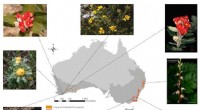
* Biogeography: The distribution of species on Earth reflects their evolutionary history and the movement of continents.
In summary: The diversity of life on Earth is a result of a continuous process of evolution by natural selection. Genetic variation, competition, environmental pressures, and time have shaped the vast array of organisms we see today.