Direct Impacts:
* Habitat Destruction:
* Deforestation: Cutting down forests for logging, agriculture, and urbanization destroys vital habitats for countless species.
* Land Conversion: Transforming natural areas into farmland, cities, and infrastructure removes essential resources and displaces animals.
* Pollution:
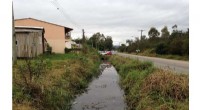
* Water Pollution: Runoff from agricultural fields, industrial sites, and urban areas pollutes waterways, harming aquatic life.
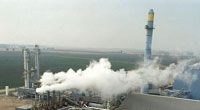
* Air Pollution: Smog and other pollutants can harm animal health, alter ecosystems, and even cause climate change.
* Plastic Pollution: Plastic debris in the ocean, rivers, and land entangles, suffocates, and poisons animals.
* Hunting and Fishing:
* Overfishing: Excessive fishing depletes fish populations, impacting marine ecosystems and food webs.
* Poaching: Illegal hunting and wildlife trafficking threaten endangered species and disrupt natural populations.
* Introduced Species:
* Invasive Species: Non-native species brought into a new habitat can outcompete, prey upon, or spread diseases to native animals.
* Climate Change:
* Rising Temperatures: Changing temperatures impact animal breeding cycles, migration patterns, and food availability.
* Sea Level Rise: Rising sea levels inundate coastal habitats, forcing species to relocate or face extinction.
Indirect Impacts:
* Fragmentation: Dividing large, connected habitats into smaller, isolated patches makes it difficult for animals to move, find mates, and access resources.
* Noise and Light Pollution: Excessive noise from traffic and industrial activities can disrupt animal communication and behavior. Artificial light can alter nocturnal animals' behavior.
* Disease Transmission: Human activities can increase the spread of diseases between animals and humans, potentially causing outbreaks.
Consequences for Animals:
These human impacts can lead to:
* Loss of Biodiversity: The decline or extinction of numerous species.
* Population Decline: Shrinking animal populations due to habitat loss, disease, or hunting.
* Disrupted Food Webs: Changes in animal populations affect other species that rely on them for food or shelter.
* Increased Conflict: As humans encroach on animal habitats, encounters between humans and wildlife become more frequent, leading to potential danger or conflict.
Actions to Mitigate the Impact:
* Conservation Efforts: Protecting existing habitats, restoring degraded areas, and creating wildlife corridors.
* Sustainable Practices: Reducing pollution, promoting sustainable agriculture, and using renewable energy.
* Regulation and Policy: Enacting laws and policies to protect endangered species, manage hunting, and control invasive species.
* Education and Awareness: Raising public awareness about the importance of wildlife conservation and promoting responsible interactions with nature.
Ultimately, recognizing the interconnectedness between humans and the environment is crucial for protecting animal habitats and ensuring a sustainable future for all.