Environmental Adaptations:
* Drought Tolerance: Pecan trees are native to the southeastern United States where summers can be hot and dry. They have deep taproots that access groundwater, making them relatively drought tolerant.
* Heat Resistance: Pecan leaves have a silvery underside that reflects sunlight, helping to reduce heat stress.
* Cold Hardiness: Pecan trees can withstand cold temperatures, with some cultivars being more hardy than others. However, they are susceptible to late spring frosts, which can damage new growth.
Physical Adaptations:
* Tall stature: Pecan trees can grow to heights of 100 feet or more, allowing them to compete for sunlight in the forest canopy.
* Strong, deep root system: The deep taproot system provides stability and access to water and nutrients.
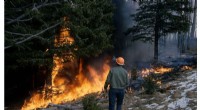
* Thick bark: The bark of pecan trees is thick and fire-resistant, helping to protect the tree from wildfires.
* Compound leaves: Pecan trees have compound leaves, which are made up of multiple leaflets. This structure helps to increase the surface area for photosynthesis.
* Nut production: The nuts themselves are an adaptation for seed dispersal. Their hard shell protects the seed and allows it to survive for long periods of time.
Reproductive Adaptations:
* Wind pollination: Pecan trees are wind-pollinated, which means they do not rely on insects for pollination. This makes them less dependent on specific insect populations.
* Monoecious: Pecan trees have both male (staminate) and female (pistillate) flowers on the same tree, allowing for self-pollination. However, they typically produce more nuts when cross-pollinated with other trees.
Other Adaptations:
* Long lifespan: Pecan trees can live for hundreds of years, making them a valuable investment for long-term forestry.
* Resilience to pests and diseases: While susceptible to certain pests and diseases, pecan trees are generally resilient and can adapt to a variety of growing conditions.
These adaptations have allowed pecan trees to thrive in their native range and become a successful and valuable crop species.