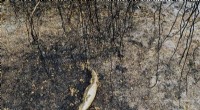
Mammals:
* Large Herbivores: Deer (white-tailed, mule deer), elk, moose (in some areas)
* Smaller Herbivores: Rabbits, squirrels, chipmunks, mice, voles, porcupines
* Carnivores: Wolves (in some areas), coyotes, foxes, bobcats, lynx, weasels, badgers, bears (black bear, brown bear)
* Omnivores: Raccoons, opossums, skunks
Birds:
* Songbirds: Warblers, sparrows, cardinals, robins, woodpeckers
* Birds of Prey: Hawks, owls, eagles (in some areas)
* Other Birds: Crows, ravens, blue jays, woodpeckers
Reptiles & Amphibians:
* Reptiles: Snakes (garter snakes, rattlesnakes), lizards, turtles
* Amphibians: Frogs, toads, salamanders
Insects:
* Butterflies & Moths: Monarchs, swallowtails, luna moths
* Beetles: Ladybug, dung beetle
* Ants & Bees: Carpenter ants, honey bees, bumblebees
* Other Insects: Grasshoppers, crickets, spiders, flies
Other Animals:
* Fish: In streams and rivers within the woodland
* Worms: Earthworms, other types of worms
* Invertebrates: Snails, slugs, millipedes, centipedes
Factors influencing animal diversity:
* Climate: Temperate forests are more diverse than boreal forests
* Location: Different regions have different species
* Habitat: Forest floor, canopy, water sources all support unique animals
* Human impact: Deforestation and habitat loss impact populations
This is just a small glimpse into the fascinating world of animals in woodland forests. Each species plays a crucial role in maintaining the ecosystem's balance.