Here's a breakdown of key features:
1. Climate: Each biome has a distinct climate determined by factors like temperature, rainfall, and humidity. This sets the stage for the specific types of plants and animals that can thrive there.
2. Dominant Plant Life: Biomes are often named after their dominant plant communities. For example, forests are dominated by trees, grasslands by grasses, and deserts by drought-resistant plants. These plants adapt to the specific climate and provide the foundation for the entire ecosystem.
3. Animal Life: The plant life in a biome supports a unique array of animals that have evolved to utilize the available resources. This includes everything from insects to large mammals, each with its own niche and role in the ecosystem.
4. Interdependence: All components of a biome are interconnected. Plants provide food and shelter for animals, while animals contribute to pollination, seed dispersal, and nutrient cycling. The health of the biome depends on the balance and interactions between these elements.
Examples of Major Ecological Communities (Biomes):
* Tropical Rainforest: High rainfall, warm temperatures, diverse plant and animal life.
* Temperate Deciduous Forest: Moderate rainfall, seasonal temperature changes, broad-leaf trees that lose their leaves in winter.
* Taiga (Boreal Forest): Cold, snowy winters, long summers, dominated by coniferous trees.
* Grassland: Moderate rainfall, seasonal temperature changes, dominated by grasses and grazing animals.
* Desert: Low rainfall, extreme temperatures, specialized plants and animals adapted to arid conditions.
* Tundra: Cold, treeless region with permafrost, low-lying vegetation, and migratory animals.
Importance of Major Ecological Communities:
* Global Biodiversity: Biomes are home to a vast array of species, contributing significantly to Earth's biodiversity.
* Ecosystem Services: Biomes provide essential ecosystem services like oxygen production, carbon sequestration, water purification, and climate regulation.
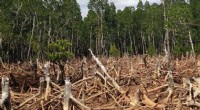
* Human Impact: Human activities, such as deforestation, agriculture, and pollution, can have significant impacts on the health and functioning of biomes.
Understanding major ecological communities is crucial for appreciating the interconnectedness of life on Earth and for developing sustainable practices that preserve these important ecosystems.