1. Tree Species: Different tree species have different root systems and preferences.
* Bare-root trees: Typically planted with the root flare (where the trunk widens at the base) at or slightly above ground level.
* Container-grown trees: Planted at the same depth they were growing in the container.
* Shallow-rooted trees: (like pines, maples, and oaks) are best planted with the root flare slightly above the ground.
* Deep-rooted trees: (like willow, elm, and ash) can be planted with the root flare slightly below the ground.
2. Soil Type:
* Clay soil: Plant slightly higher than the surrounding soil level to avoid root rot.
* Sandy soil: Plant slightly lower than the surrounding soil level to ensure adequate moisture retention.
3. Climate:
* Hot, dry climates: Plant slightly higher than the surrounding soil level to encourage deeper root growth.
* Humid climates: Plant slightly lower than the surrounding soil level to provide adequate moisture.
General Planting Guidelines:
* Bare-root trees: Dig a hole slightly wider than the spread of the roots and as deep as the root ball.
* Container-grown trees: Dig a hole twice as wide and as deep as the root ball.
* Don't plant too deep: This can suffocate the roots and lead to tree decline.
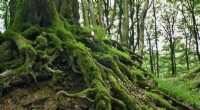
* Check the root flare: The root flare should be visible above the soil line.
* Backfill with amended soil: Use a mix of native soil and compost to improve drainage and aeration.
* Water thoroughly: After planting, water deeply to settle the soil around the roots.
Remember: It's always a good idea to consult with a local nursery or arborist for species-specific planting advice. They can help you determine the best depth for your tree and provide expert guidance for successful planting.