* Forests: These provide shade, moisture, and a rich soil environment. Many types of trees, shrubs, and herbs thrive in forests.
* Grasslands: These are open areas with grasses as the dominant vegetation. Angiosperms here are adapted to dry conditions and periodic fires.
* Deserts: These are extremely arid areas with limited water. Angiosperms in deserts have developed specialized adaptations for survival like succulent leaves and deep roots.
* Wetlands: These areas are characterized by standing water. Angiosperms in wetlands include water lilies, cattails, and reeds.
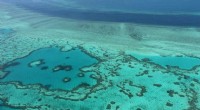
* Aquatic environments: This includes freshwater and saltwater habitats. Some anthophyta have adapted to live entirely submerged, while others float on the surface.
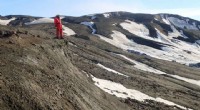
* Mountainous regions: These areas experience harsh conditions like cold temperatures and strong winds. Angiosperms in mountainous regions have adaptations for these conditions, such as dense hairs and small leaves.
Essentially, anthophyta can be found in almost every terrestrial and aquatic habitat on Earth. They have evolved a wide range of adaptations to thrive in these diverse environments.