1. Temperature:
* Range and Extremes: The temperature range, including seasonal fluctuations and extreme highs and lows, dictates which species can tolerate the conditions. For example, tropical rainforests have consistently warm temperatures, allowing for a diversity of plants and animals that cannot withstand freezing temperatures. In contrast, tundra biomes experience extreme cold, leading to a limited variety of cold-adapted organisms.
* Growing Season: Temperature influences the length of the growing season, which affects the types of plants that can flourish. In areas with long growing seasons, large trees can dominate, while in regions with short growing seasons, smaller, more resilient plants may thrive.
2. Precipitation:
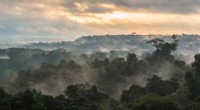
* Amount: The amount of rainfall determines the availability of water, a key resource for life. Deserts with little rainfall support specialized organisms adapted to arid conditions, while rainforests with high rainfall foster lush vegetation and diverse animal life.
* Seasonality: The timing and pattern of precipitation also play a role. For example, seasonal rainforests experience distinct wet and dry seasons, impacting the types of plants and animals that can survive.
3. Sunlight:
* Intensity: The amount of sunlight received affects plant growth, photosynthesis, and ultimately the entire food web. Tropical rainforests receive high levels of sunlight, allowing for dense vegetation, while some ecosystems, like boreal forests, experience shorter days and lower light intensity, shaping their plant communities.
4. Other Climate Factors:
* Wind: Strong winds can impact plant growth, particularly in exposed areas, and influence the distribution of organisms.
* Humidity: High humidity can create favorable conditions for certain types of organisms, while dry environments favor those adapted to water scarcity.
Adaptive Strategies:
Organisms living in a biome develop specific adaptations to cope with the climate conditions:
* Physiological Adaptations: These include changes in metabolism, body temperature regulation, and water conservation.
* Behavioral Adaptations: This includes strategies like migration, hibernation, or nocturnal activity to avoid extreme temperatures or periods of scarcity.
* Morphological Adaptations: These are physical changes, like thicker fur in cold climates, long roots for water access in deserts, or camouflage for protection.
Climate Change and Biomes:
Climate change is altering the boundaries and characteristics of biomes worldwide. As temperatures rise, precipitation patterns shift, and extreme weather events become more frequent, the composition of plant and animal communities is changing, leading to potential loss of biodiversity and ecosystem function.
In conclusion, climate plays a central role in shaping the types of organisms that thrive in a biome. It acts as a powerful selective force, favoring those with adaptations that allow them to survive and reproduce under specific temperature, precipitation, sunlight, and other climatic conditions. Understanding the interplay between climate and organisms is crucial for comprehending the intricate web of life on Earth and the impact of climate change on ecosystems.