* Adaptability to Dry Conditions: Olive trees are incredibly drought-tolerant. Mountain slopes often receive less rainfall than valleys, making them well-suited for olives.
* Shallow Root Systems: Olives have a shallow root system, allowing them to access moisture and nutrients from the topsoil, which is often more abundant on slopes.
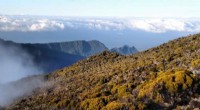
* Sunlight Exposure: Mountain slopes typically receive more sunlight than valleys, providing olives with the necessary amount of energy for growth.
* Well-Drained Soil: Slopes tend to have well-drained soil, preventing waterlogging that can harm olive trees.
* Erosion Control: Olives help prevent soil erosion on slopes by providing a protective cover.
However, growing olives on mountain slopes also presents some challenges:
* Steep Terrain: Working and tending to olive trees on steep slopes can be difficult and dangerous.
* Limited Access: Accessing olives on remote slopes can be challenging, making harvesting and maintenance more difficult.
* Extreme Temperatures: Mountain slopes are prone to extreme temperatures, which can affect the growth and yield of olives.
Overall, olive trees can be grown successfully on mountain slopes if certain conditions are met, such as adequate soil drainage and sunlight exposure. The challenges associated with steep terrain and extreme temperatures need to be considered and addressed for successful cultivation.