1. Temperature:
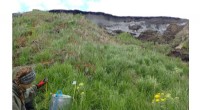
* Average temperature: Warmer temperatures support different plant and animal life than colder temperatures. Tropical rainforests thrive in consistently hot and humid climates, while tundra ecosystems exist in extremely cold conditions.
* Seasonal temperature variation: This influences the types of plants that can grow and the adaptations of animals. For example, deciduous forests experience distinct seasons, allowing trees to lose their leaves in winter.
2. Precipitation:
* Amount of rainfall: Regions with high rainfall tend to have lush vegetation like rainforests, while drier areas support deserts and grasslands.
* Rainfall distribution: Even areas with similar overall rainfall can have different biomes based on how rainfall is distributed throughout the year.
3. Sunlight:
* Intensity and duration of sunlight: This influences the rate of photosynthesis, which is crucial for plant growth. Equatorial regions receive more direct sunlight, leading to the development of diverse rainforests.
4. Wind patterns:
* Prevailing wind direction and strength: Winds can influence precipitation patterns, as well as the distribution of nutrients and pollen. For example, coastal areas often receive more rainfall due to prevailing winds carrying moisture from the ocean.
How Climate Shapes Biomes:
* Plant growth: Climate directly affects which plants can survive and thrive in a region.
* Temperature: Plants have specific temperature tolerances.
* Rainfall: Water availability determines the types of plants that can grow.
* Sunlight: Photosynthesis requires sunlight.
* Animal adaptations: Animals also develop adaptations to survive in different climates.
* Temperature: Animals have different strategies for coping with heat or cold.
* Water availability: Animals in arid environments have adaptations for water conservation.
* Food sources: The types of plants and animals available for food are influenced by climate.
Example:
* Tropical Rainforest: High temperatures, abundant rainfall, and consistent sunlight create an environment suitable for lush vegetation and diverse animal life.
* Desert: Low rainfall, high temperatures, and intense sunlight make it difficult for most plants and animals to survive.
In summary, climate is the driving force behind biome distribution, influencing the types of plants and animals that can inhabit a region, and ultimately shaping the unique characteristics of each biome.