While non-living things (abiotic factors) don't interact in the same way living things do, they still influence and affect each other in complex ways. Here are some examples:
1. Weather and Geology:
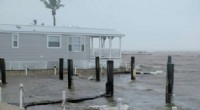
* Erosion: Wind and water wear down rocks and mountains, shaping the landscape.
* Weathering: Freezing and thawing of water can crack rocks and contribute to erosion.
* Climate: The climate of a region influences the type of rocks and minerals formed. For example, hot, dry climates favor the formation of deserts and sand dunes.
2. Soil and Water:
* Water Cycle: Precipitation falls to the earth, seeps into the ground, and evaporates back into the atmosphere, constantly shaping the landscape and influencing soil composition.
* Water Erosion: Water runoff can carry soil particles away, changing the topography and affecting soil fertility.
* Soil Composition: The type of soil (clay, sand, loam) depends on the parent rock, climate, and the presence of organic matter.
3. Sunlight and Temperature:
* Solar Radiation: The amount of sunlight reaching a location influences its temperature and affects the growth of plants.
* Temperature Variations: Different temperatures create distinct microclimates, leading to unique geological formations (like glaciers in cold regions).
4. Air and Gases:
* Atmospheric Pressure: Changes in air pressure influence wind patterns and weather events, impacting the environment.
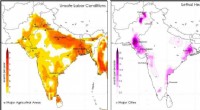
* Greenhouse Gases: Gases like carbon dioxide and methane trap heat in the atmosphere, influencing global temperatures.
* Air Pollution: Released pollutants affect air quality and can harm living organisms.
5. Other Interactions:
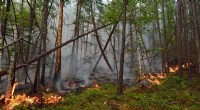
* Fire: Wildfires can alter the landscape, clearing out vegetation and leaving behind ash that enriches the soil.
* Volcanic Activity: Volcanic eruptions release gases and ash, which can affect the atmosphere and soil composition.
Important Note: These interactions are interconnected and influence each other in complex ways. For example, changes in weather patterns can lead to changes in soil composition, which in turn impacts plant growth and the overall ecosystem.
Understanding these interactions is crucial for understanding the dynamics of the environment and how human activities can impact the natural world.