* Succession is a directional process: It moves towards a more stable and mature state, not necessarily a 'better' or 'worse' state.
* It involves changes in species composition: Pioneer species, able to survive harsh conditions, colonize bare ground first. Over time, these species modify the environment, making it suitable for other species. This leads to a gradual replacement of earlier species by later ones.
* It alters the ecosystem's structure and function: As the species composition changes, so do the physical characteristics of the ecosystem. This includes things like soil composition, nutrient cycling, and energy flow.
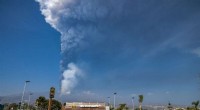
* It can be influenced by disturbances: Natural events like fires, floods, or volcanic eruptions, or human activities like deforestation or agriculture, can reset the succession process.
Here are some key terms to understand succession:
* Primary succession: Starts from bare rock, like after a volcanic eruption. It's a very slow process as soil needs to develop.
* Secondary succession: Occurs on land that was previously occupied by a community but has been disturbed, like after a forest fire. Soil is already present, making the process faster.
* Climax community: The stable and mature stage of an ecosystem reached at the end of succession. It is relatively resistant to change.
In summary, succession is a dynamic and ongoing process that shapes the structure and function of ecosystems, constantly adapting to environmental changes and disturbances.