1. Geographic Location and Climate:
* Latitude: Ecosystems at different latitudes receive different amounts of sunlight and have different temperature ranges. Tropical rainforests, for example, are found near the equator and experience high rainfall and consistent warm temperatures, while tundra ecosystems are found near the poles and experience cold, dry conditions.
* Altitude: As elevation increases, temperatures decrease, and precipitation patterns change, resulting in different ecosystems at different altitudes. For example, a mountain range may have forests at lower elevations, grasslands at mid-elevations, and snow-capped peaks at higher elevations.
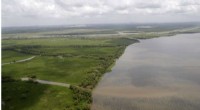
* Proximity to Water: Ecosystems near bodies of water are influenced by water's moderating effects on temperature and humidity. Coastal ecosystems, for example, are different from inland ecosystems.
* Seasonality: Ecosystems experience different seasons with varying levels of sunlight, temperature, and precipitation. This influences the types of plants and animals that can survive in a particular ecosystem.
2. Biotic Factors (Living Organisms):
* Species Diversity: Different ecosystems support a wide range of species diversity. Tropical rainforests have the highest biodiversity, while deserts have a relatively low number of species.
* Trophic Levels: The structure of food webs and the interaction between different trophic levels (producers, consumers, decomposers) varies between ecosystems. For example, a coral reef ecosystem has a complex food web with many interconnected species.
* Population Density: The number of individuals of a particular species within a given area can vary significantly between ecosystems.
3. Abiotic Factors (Non-living Components):
* Soil Type: The composition and structure of the soil influence the types of plants that can grow in an ecosystem.
* Water Availability: Different ecosystems have varying levels of water availability, from lush rainforests to arid deserts.
* Sunlight Intensity: The amount of sunlight that reaches the ground varies depending on latitude, elevation, and the presence of vegetation.
* Temperature: Temperature affects the rate of biological processes and the types of organisms that can survive in an ecosystem.
4. Disturbance Regimes:
* Frequency and Intensity of Natural Disasters: Ecosystems experience natural disturbances like fires, floods, and volcanic eruptions, which can alter their structure and composition.
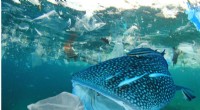
* Human Impacts: Human activities such as deforestation, pollution, and climate change can significantly impact ecosystems.
Examples of Ecosystem Variation:
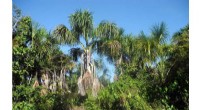
* Tropical Rainforests: High biodiversity, high rainfall, consistent temperatures, lush vegetation.
* Deserts: Low biodiversity, low rainfall, extreme temperatures, specialized vegetation.
* Temperate Forests: Moderate biodiversity, seasonal changes in temperature and precipitation, deciduous trees.
* Grasslands: Low trees, abundant grasses, grazing animals, seasonal changes in rainfall.
* Marine Ecosystems: Vast diversity of organisms, influenced by ocean currents and depth.
Understanding ecosystem variation is crucial for conservation efforts, as different ecosystems require different management strategies to ensure their long-term health and sustainability.