Here are some of the key drivers of biodiversity loss:
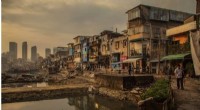
* Habitat Loss and Degradation: The largest contributor is the destruction and fragmentation of natural habitats through deforestation, agriculture, urbanization, and infrastructure development.
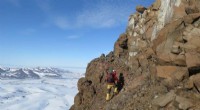
* Climate Change: Rising temperatures, altered precipitation patterns, and extreme weather events are pushing species beyond their tolerance limits, leading to range shifts, population declines, and extinctions.
* Pollution: Air, water, and soil pollution from industrial activities, agriculture, and waste disposal degrade habitats and harm species directly.
* Overexploitation: Overfishing, overhunting, and unsustainable harvesting of natural resources are pushing many species towards extinction.
* Invasive Species: The introduction of non-native species can disrupt ecosystems, outcompete native species, and lead to biodiversity loss.
It's important to note that these factors are interconnected and often exacerbate each other. For example, habitat loss makes species more vulnerable to climate change, and pollution can weaken species' resilience to other threats.
To reverse the biodiversity decline, we need to address these drivers through sustainable practices, conservation efforts, and policy changes.