Living Organisms (Biotic Factors):
* Producers: Plants, algae, and some bacteria that create their own food through photosynthesis.
* Consumers: Animals that eat other organisms for energy.
* Decomposers: Fungi and bacteria that break down dead organisms and waste, returning nutrients to the ecosystem.
* Herbivores: Animals that eat plants.
* Carnivores: Animals that eat other animals.
* Omnivores: Animals that eat both plants and animals.
* Scavengers: Animals that eat dead animals.
* Parasites: Organisms that live on or in another organism, harming it.
Non-Living Components (Abiotic Factors):
* Sunlight: Provides energy for producers.
* Water: Essential for life processes.
* Temperature: Affects the rate of biological processes.
* Soil: Provides nutrients and support for plants.
* Air: Provides oxygen for breathing and carbon dioxide for photosynthesis.
* Rocks and Minerals: Provide nutrients and structure.
* Climate: Long-term weather patterns that influence ecosystem types.
* Elevation: Affects temperature and rainfall.
* Latitude: Affects sunlight exposure and temperature.
Other factors:
* Human Impact: Can significantly alter ecosystems through pollution, deforestation, and habitat destruction.
* Natural Disasters: Events like fires, floods, and earthquakes can reshape ecosystems.
* Biodiversity: The variety of species within an ecosystem.
Examples of ecosystems:
* Forest
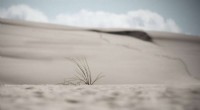
* Desert
* Ocean
* Grassland
* Tundra
* Coral Reef
* Lake
* River
Remember, ecosystems are dynamic and interconnected. Changes in one part of an ecosystem can have ripple effects throughout.