1. Altitude:
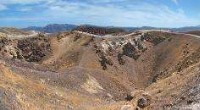
* Plain plants: These plants grow in low-lying areas with relatively flat terrain. They are adapted to lower altitudes, warmer temperatures, and often more consistent rainfall.
* Hilly plants: These plants grow in mountainous regions at higher altitudes. They are adapted to colder temperatures, shorter growing seasons, and often harsher weather conditions like strong winds and snow.
2. Climate:
* Plain plants: These can be found in a wide range of climates, from tropical rainforests to arid deserts. Their adaptations will vary depending on the specific climate.
* Hilly plants: The climate in mountainous regions tends to be colder and wetter than in plains, with significant variations in temperature and rainfall depending on altitude and exposure.
3. Soil:
* Plain plants: Soil types vary widely in plains, ranging from fertile river deltas to sandy deserts. Plants have adapted to these different soil conditions.
* Hilly plants: Soil in mountainous regions is often thinner, less fertile, and prone to erosion due to steeper slopes. Hilly plants have developed adaptations to thrive in these conditions.
Examples of Adaptations:
* Leaf size and shape: Hilly plants often have smaller leaves to reduce water loss in colder, drier environments. Plain plants may have larger leaves to maximize sunlight capture in warmer climates.
* Root systems: Hilly plants may have deeper roots to access water and nutrients in thinner soil. Plain plants might have shallower roots to maximize water absorption in moist environments.
* Growth patterns: Hilly plants often grow close to the ground for protection from wind and cold. Plain plants may have taller stems to compete for sunlight.
* Flowering time: Hilly plants might flower earlier in the season to take advantage of the shorter growing season. Plain plants may have longer flowering periods.
It's important to remember that:
* Many plant species can grow in both plains and hills.
* The specific adaptations of a plant depend on its specific environment, not just its elevation.
* There is a huge diversity of plant adaptations within both plain and hilly environments.
Instead of thinking of "plain plants" and "hilly plants" as separate categories, it's more helpful to think about the specific adaptations plants have developed to thrive in different environments.