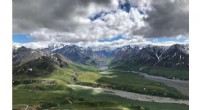
* Coral Reef: A vibrant, underwater ecosystem teeming with marine life, built by tiny coral polyps and sustained by a delicate balance of sunlight, water temperature, and nutrient levels.
* Tropical Rainforest: A dense, humid environment characterized by towering trees, abundant biodiversity, and high rainfall. This ecosystem plays a crucial role in regulating global climate and providing essential resources.
* Temperate Deciduous Forest: A forest dominated by trees that lose their leaves in autumn, exhibiting distinct seasons and supporting a wide range of plant and animal species.
* Savannah: A grassland ecosystem with scattered trees, characterized by dry and wet seasons. It supports a variety of grazing animals, predators, and unique plant adaptations.
* Mangrove Forest: A unique coastal ecosystem adapted to salty, tidal conditions. These trees provide vital habitats for fish and shellfish, protect shorelines from erosion, and filter pollutants.
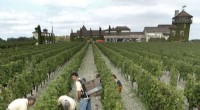
* Agricultural Field: A landscape modified for the cultivation of crops, often involving intensive land management, irrigation, and pesticide use. This ecosystem supports human food production but can impact natural ecosystems and biodiversity.
* Urban City: A densely populated area with a high concentration of human infrastructure, transportation networks, and industries. This ecosystem is heavily influenced by human activity and creates unique challenges for managing resources and waste.
* Aquaculture Pond: A controlled environment designed for the cultivation of fish or shellfish. This ecosystem relies on artificial feeding, water management, and disease control.
* Reservoir: An artificial lake created by damming a river, used for water storage, flood control, and hydropower generation. This ecosystem can alter natural flow patterns and have significant impacts on downstream environments.
* Green Roof: A vegetated roof system on a building, providing insulation, reducing stormwater runoff, and enhancing biodiversity in urban areas. This ecosystem demonstrates the potential for integrating nature into built environments.
This is just a glimpse into the diverse range of natural and man-made ecosystems that exist. Each ecosystem is a complex system with its own unique characteristics, interconnections, and importance to the planet.