Terrestrial Environments:
* Forests: Diverse, with varying light levels, humidity, and soil conditions. Can range from lush rainforests to dry coniferous forests.
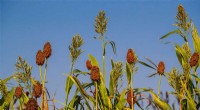
* Grasslands: Open, sunny environments with limited tree cover. Characterized by grasses, wildflowers, and occasional shrubs.
* Deserts: Extremely dry and arid environments with limited rainfall. Plants have adapted to survive with minimal water, often storing it in their tissues.
* Tundra: Cold, treeless environments found in the Arctic and high altitudes. Short growing seasons and permafrost layer pose challenges for plant life.
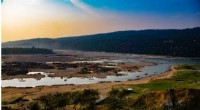
* Wetlands: Areas saturated with water for at least part of the year. Include marshes, swamps, and bogs, supporting specialized aquatic and semi-aquatic plants.
* Mountains: Diverse environments with changing conditions depending on altitude. Alpine meadows, coniferous forests, and rocky slopes all support unique plant communities.
Aquatic Environments:
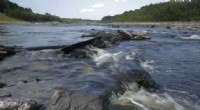
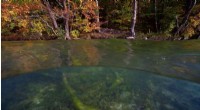
* Freshwater: Lakes, ponds, rivers, and streams. Plants adapted to submerged, floating, or emergent growth.
* Marine: Oceans, seas, and estuaries. Plants like seagrasses, seaweed, and mangroves have adapted to saltwater conditions.
Other Environments:
* Epiphytes: Plants that grow on other plants, often trees, for support but not nourishment. Examples include orchids and bromeliads.
* Parasitic: Plants that derive nutrients from other living organisms. Examples include mistletoe and dodder.
* Carnivorous: Plants that obtain nutrients from trapping and digesting insects or other small animals. Examples include sundews, pitcher plants, and Venus flytraps.
Factors Influencing Plant Growth in Different Environments:
* Light: Amount of sunlight, duration of daylight, and intensity.
* Temperature: Average temperatures, extremes, and seasonal fluctuations.
* Water: Availability, frequency, and quality.
* Nutrients: Soil composition, mineral content, and pH.
* Competition: Other plants, animals, and microorganisms competing for resources.
Understanding the various environments where plants can thrive is crucial for successful plant cultivation and conservation efforts. Each environment presents unique challenges and opportunities, requiring specific adaptations and strategies for survival.