1. Biogeography: Observing the distribution of species across the globe revealed patterns that didn't make sense under the prevailing view of unchanging species. For instance:
* Similar species in geographically isolated areas: Darwin observed that species on the Galapagos Islands were similar to those on the mainland but uniquely adapted to their local environment. This suggested that they had descended from common ancestors and evolved independently.
* Distinct species on continents with similar climates: Observing vastly different species on continents with similar climates (like Australia and South America) challenged the idea that species were created independently for specific environments. This supported the idea of evolution and adaptation based on geographic isolation and environmental pressures.
2. Fossil Record: Studying fossils revealed a clear progression of life forms over time.
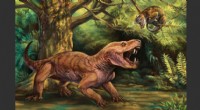
* Extinct species: The discovery of fossils of extinct animals and plants demonstrated that species were not immutable, as previously thought.
* Transitional forms: Finding fossils of transitional species (like Archaeopteryx, which showed features of both birds and reptiles) provided evidence for gradual changes over time and evolutionary relationships.
3. Variation within Species: Careful observation within species showed significant variation, even among individuals in the same population.
* Artificial selection: Farmers and breeders observed that they could select for desirable traits in plants and animals by breeding individuals with those traits. This demonstrated the power of natural selection to shape species.
* Natural variation: Observing variation in wild populations, such as beak sizes in finches, led Darwin to reason that this variation must be subject to natural selection, favoring traits that increase survival and reproduction.
4. Natural Selection in Action: Numerous observations of natural selection in action provided crucial evidence for the theory.
* Peppered moths: The changing coloration of peppered moths in polluted environments demonstrated how environmental pressures could drive evolutionary changes within a population.
* Antibiotic resistance: The rapid emergence of antibiotic resistance in bacteria is a clear example of natural selection in action, as bacteria with mutations that confer resistance are favored in the presence of antibiotics.
5. Comparative Anatomy: Comparing the anatomy of different species revealed homologous structures, indicating common ancestry.
* Similar bone structures: Observing the same basic skeletal structure in different species, like the forelimbs of a bat, a whale, and a human, suggested a shared ancestor.
* Vestigial structures: Observing the presence of reduced or non-functional structures, like the appendix in humans, further supported the idea of descent with modification.
In summary, observations in nature provided a wealth of evidence that challenged the prevailing view of unchanging species. From biogeography to fossils, variation within populations, natural selection in action, and comparative anatomy, each piece of evidence contributed to the development and support of the theory of evolution.