* Evolution and Adaptation: Natural ecosystems have evolved over millions of years, allowing complex webs of interactions between species to develop. This leads to specialization, diversity, and a greater number of species able to thrive in specific niches.
* Complexity and Stability: Natural ecosystems are inherently more complex and stable. They have a wider range of habitats, resources, and environmental conditions, supporting a greater variety of life.
* Human Impact: Human-made ecosystems are often simplified and less diverse. Agriculture, urban development, and other human activities often focus on a small number of species, disrupting natural ecosystems and reducing biodiversity.
Examples:
* Tropical Rainforest: One of the most biodiverse ecosystems on Earth, with an estimated 50% of all species.
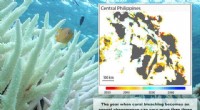
* Coral Reef: Another highly diverse ecosystem, supporting a vast array of fish, invertebrates, and algae.
* Urban Park: While a green space, an urban park has a significantly lower species count compared to a natural forest.
Exceptions:
There are some instances where man-made ecosystems might have a higher species count in specific areas. For example, a managed forest might have a greater abundance of a single species like pine trees compared to a nearby natural forest. However, this is a limited example, and overall, natural ecosystems remain far richer in species diversity.