1. Abiotic Factors (Non-living):
* Water: The primary medium for life, influencing temperature, dissolved oxygen levels, and nutrient availability.
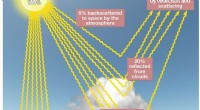
* Sunlight: The energy source for primary producers (plants).
* Temperature: Affects metabolic rates of organisms.
* Dissolved oxygen: Essential for aquatic respiration.
* Nutrients: Minerals like nitrates, phosphates, and calcium, essential for plant growth.
* Substrate: The bottom of the pond, which can be mud, sand, or rocks.
* pH: Acidity or alkalinity of the water, influencing the types of organisms that can survive.
2. Biotic Factors (Living):
* Producers: These are the foundation of the food web, primarily plants and algae. They convert sunlight into energy through photosynthesis.
* Phytoplankton: Microscopic algae that float in the water column.
* Macrophytes: Larger plants that grow rooted in the pond bottom or floating on the surface.
* Consumers: Organisms that obtain energy by eating other organisms.
* Zooplankton: Microscopic animals that feed on phytoplankton.
* Insects: Various species, including larvae and adults, living on the surface, in the water column, or on the bottom.
* Fish: A variety of species, ranging in size and diet.
* Amphibians: Frogs, toads, and salamanders that live in or near the water.
* Reptiles: Turtles, snakes, and lizards, often found near the water's edge.
* Birds: Waterfowl, herons, and other birds that visit ponds for food or nesting.
* Mammals: Beavers, muskrats, otters, and other mammals that live near or in ponds.
* Decomposers: Organisms that break down dead organic matter, releasing nutrients back into the ecosystem.
* Bacteria: Essential for decomposition.
* Fungi: Play a role in breaking down organic matter, especially in the bottom sediments.
Interconnections:
* Food Web: The complex network of feeding relationships between organisms.
* Nutrient Cycling: The continuous flow of nutrients through the pond, from producers to consumers and back again.
* Competition: Organisms compete for resources such as food, space, and light.
* Predation: One organism (predator) hunts and kills another (prey) for food.
Pond Types:
Ponds can vary greatly in size, depth, and habitat type. Some common types include:
* Ephemeral Ponds: Temporary ponds that exist for short periods.
* Vernal Pools: Temporary ponds that form in spring and dry up in summer.
* Oxbow Lakes: Crescent-shaped ponds formed when a river changes course.
* Artificial Ponds: Ponds created by humans for various purposes.
Importance:
Ponds are valuable ecosystems that provide:
* Habitat: For a variety of plants and animals.
* Water Quality: Ponds filter pollutants and improve water quality.
* Recreation: Ponds offer opportunities for fishing, swimming, and other activities.
Threats:
Ponds face threats from:
* Pollution: Runoff from agricultural and urban areas can contaminate ponds.
* Habitat Loss: Ponds are often filled in or drained for development.
* Invasive Species: Non-native species can disrupt the balance of pond ecosystems.
By understanding the intricate components and interactions within a pond ecosystem, we can better appreciate its importance and work to protect it.