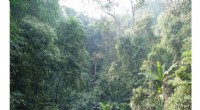
These plants are often referred to as "rock breakers" due to their ability to break down rock formations.
Here's how it works:
1. Root Growth: The roots of these plants grow into existing cracks in the rock.
2. Expansion: As the roots grow thicker and longer, they exert pressure on the surrounding rock.
3. Widening Cracks: This pressure eventually causes the cracks to widen.
4. Fragmentation: Over time, the rock can break apart into smaller pieces.
Some common examples of root wedging plants include:
* Tree Roots: Larger trees, especially those with deep, robust root systems, are known for their ability to crack rocks.
* Shrubs: Some shrubs, like honeysuckle, can also have strong roots that wedge into cracks.
* Vines: Certain vine species, like poison ivy, can use their clinging roots to pry open cracks in rocks.
This process is an important part of weathering, the breakdown of rocks due to exposure to the elements. It plays a role in creating soil and shaping landscapes.