1. Animal Digestive Systems:
* Ruminants: Cows, sheep, goats, and other ruminants house microbes in their stomachs that ferment plant matter, breaking down cellulose into usable energy.
* Humans: Our gut microbiome contains bacteria that ferment carbohydrates, aiding digestion and producing beneficial byproducts like short-chain fatty acids.
2. Plant Environments:
* Fruits and Vegetables: Fermentation is a natural process in fruits and vegetables, contributing to flavor development and preservation. Think of sauerkraut, kimchi, and fermented fruits like olives and pickles.
* Soil: Microorganisms in the soil ferment organic matter, releasing nutrients and contributing to soil fertility.
3. Aquatic Environments:
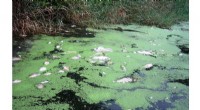
* Waterlogged Environments: Fermentation can occur in stagnant water bodies like swamps and marshes, where organic matter decomposes anaerobically.
* Animal Waste: The breakdown of animal waste in water and soil often involves fermentation by various microbes.
4. Food Production:
* Food Preservation: Fermentation is a traditional method of preserving food, creating products like yogurt, cheese, bread, soy sauce, and vinegar.
* Beverage Production: Fermentation is essential for brewing beer, making wine, and producing other alcoholic beverages.
5. Industrial Applications:
* Biofuel Production: Fermentation is used to produce biofuels like ethanol from biomass.
* Bioplastics: Certain microorganisms can ferment sugars into biodegradable plastics.
Key Points:
* Anaerobic Conditions: Fermentation often occurs in environments with low oxygen levels, as it relies on anaerobic respiration.
* Microorganisms: The primary actors in fermentation are microorganisms, mainly bacteria and yeast.
* Diverse Substrates: Fermentation can occur on a wide range of substrates, including carbohydrates, proteins, and fats.
* Byproducts: Fermentation produces various byproducts, including acids, alcohols, gases, and other organic compounds.
Overall, fermentation is a ubiquitous and vital process in nature, playing a critical role in nutrient cycling, food production, and other vital functions.