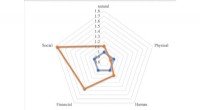
1. Physical Response:
* Reaction to a stimulus: This refers to how the environment physically changes in response to an action or event. For example:
* Heat: A fire releases heat, causing the surrounding air temperature to rise.
* Light: Turning on a light bulb causes the surrounding area to become illuminated.
* Sound: A loud noise causes vibrations in the air, which are perceived by our ears.
2. Biological Response:
* Ecosystem response: This refers to how living organisms and their environment interact. For example:
* Plant growth: Plants respond to changes in light, temperature, and water availability.
* Animal behavior: Animals may exhibit changes in behavior in response to changes in their environment, such as predators, food availability, or weather conditions.
3. Social Response:
* Human reactions: This refers to how people respond to events, actions, or stimuli. For example:
* Social media response: A viral post or news article can elicit a large number of reactions and comments.
* Crowd behavior: People in a crowd may react in a certain way to a situation, such as an emergency or a concert.
4. Psychological Response:
* Emotional response: This refers to how someone feels in response to a situation. For example:
* Anxiety: A stressful situation can trigger anxiety.
* Happiness: A positive event can evoke feelings of happiness.
5. Technological Response:
* System response: This refers to how a system or device reacts to input. For example:
* Computer response: A computer program may generate output based on user input.
* Robot response: A robot may perform actions in response to commands or sensory data.
To understand the specific meaning of "response of surroundings" in a particular context, you need to consider the context and the specific situation. For example, are you talking about a physical reaction, a biological interaction, a social response, or something else?
Please provide more information about the context you are referring to, and I will be able to provide a more specific answer.