1. Climate:
* Temperature: Plants have specific temperature ranges they can tolerate. Some thrive in the tropics, others in frigid climates.
* Rainfall: Plants need water to survive. Some need lots of rain, others can survive in arid environments.
* Sunlight: Plants need sunlight for photosynthesis. Some need full sun, others prefer shade.
2. Soil:
* Nutrients: Different plants need different nutrients from the soil.
* pH: The acidity or alkalinity of the soil affects nutrient availability.
* Structure: Soil texture (sandy, loamy, clay) impacts drainage and root growth.
3. Elevation:
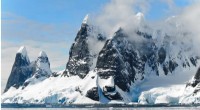
* Temperature: Higher elevations are generally colder.
* Sunlight: Higher elevations often have more direct sunlight.
* Rainfall: Elevation can affect precipitation patterns.
4. Competition:
* Other plants: Plants compete for resources like sunlight, water, and nutrients.
* Animals: Animals can graze on plants, limiting their growth.
5. Adaptations:
* Evolution: Over time, plants have evolved adaptations to thrive in specific environments.
* Examples: Cacti have adapted to arid climates with spines for protection and water-storing stems. Mangrove trees have adapted to saltwater environments with specialized roots.
6. Human Influence:
* Agriculture: Humans have introduced plants to new environments through farming and horticulture.
* Pollution: Pollution can negatively impact plant growth.
In short, a plant's ability to grow in a specific location is a result of its ability to tolerate the environmental conditions and compete for resources. It's an intricate balance of factors that create the diverse plant life we see around us.